Sound Vibration Testers
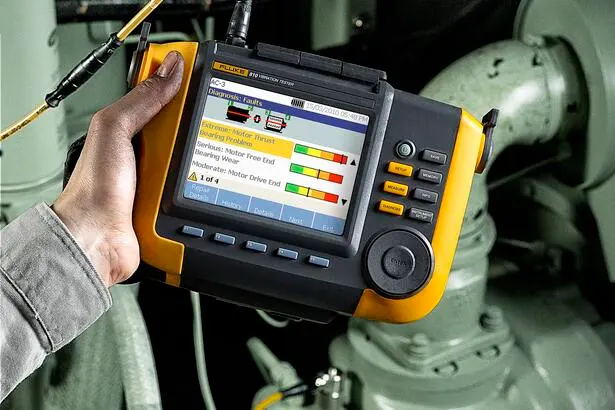
Falcon Lab LLC supplies Senseca sound and vibration testing equipment in Oman for industrial, environmental, and occupational applications. These solutions help monitor noise, assess vibration, evaluate equipment condition, and support compliance with international standards.
Factory
Factory Trained Engineers
What is a Sound & Vibration Tester?
A sound and vibration tester measures sound pressure level, noise, and vibration in machines, environments, and workplaces.
These instruments help identify excessive noise or vibration, evaluate equipment condition, and support occupational and environmental compliance.
Key capabilities include:
- Sound pressure level and decibel (dB) measurement
- Noise monitoring
- Frequency analysis
- Vibration analysis
- Environmental testing
- Data logging
Product Overview
Senseca instruments provide accurate acoustic measurement and vibration monitoring for workplace safety, environmental compliance, machinery condition monitoring, and better engineering decisions.
- Sound Level Meters
- Vibration Monitoring Instruments
- Environmental Noise Monitoring
- Occupational Noise Monitoring
- Acoustic Measurement Instruments
Sound Level Meters
Class 1 Sound Level Meter
Designed for high-accuracy acoustic measurements, environmental noise assessment, detailed frequency analysis, and regulatory compliance testing.
Class 2 Sound Level Meter
Suitable for workplace noise checks, industrial surveys, general environmental measurements, and routine acoustic testing.
Frequency Analysis
Sound analyzers and frequency analyzers identify noise frequency contributions, support acoustic troubleshooting, and provide detailed frequency insights.
Vibration Monitoring Instruments
Vibration meters help assess machinery health, detect faults early, and support preventive maintenance and condition monitoring.
They measure:
- Acceleration, velocity, and displacement
- Machine health and performance
- Imbalance, misalignment, and bearing faults
- Vibration trends through data logging
Applications & Industries
Applications include:
- Occupational Noise Monitoring
- Environmental Noise Monitoring
- Industrial noise measurement
- Machinery vibration monitoring
- Workplace safety assessment
- Equipment condition monitoring
- Acoustic surveys and analysis
Industries served include manufacturing, construction, oil and gas, power generation, environmental consultancies, occupational health and safety, engineering laboratories, research institutions, government, and regulatory organizations.
Technical Specifications
Technical specifications vary by model. Sound level meters provide accurate noise measurement, while vibration meters measure key vibration parameters for machinery and equipment monitoring.
Sound Level Meters
Specification | Details |
Measurement Range | Up to 20 Hz to 20 kHz (model dependent) |
Accuracy | Class 1 / Class 2 (IEC 61672-1) |
Frequency Weighting | A, C, Z |
Time Weighting | Fast, Slow, Impulse |
Display | LCD color display |
Data Logging | Internal memory / Micro SD |
Power Supply | Battery / Rechargeable |
Standards | IEC 61672, ANSI, OSHO, ISO |
Vibration Meters
Specification | Details |
Measurement Parameters | Acceleration, Velocity, Displacement |
Frequency Range | Up to 10 Hz – 10 kHz (model dependent) |
Sensors | IEPE Accelerometers / Velocity Sensors |
Display | Digital LCD |
Data Logging | Yes |
Connectivity | USB / Bluetooth (model dependent) |
Power Supply | Battery / Rechargeable |
Standards | ISO 10816, ISO 20816, IEC standards |
Product Comparison
Instrument | Measurement | Accuracy | Main Application |
Class 1 Meter | Sound Pressure Level | Class 1 | Professional acoustic testing |
Class 2 Meter | Noise Level | Class 2 | Workplace and industrial surveys |
Sound Analyzer | Frequency & Noise | Class 1/2 | Acoustic analysis |
Vibration Meter | Acceleration/ Velocity/ Displacement | _ | Machinery monitoring |
Calibration & Maintenance
Regular calibration ensures accurate, reliable measurements. Falcon Lab’s calibration process includes inspection, verification against traceable standards, adjustment where required, validation, and certification.
Professional installation, correct sensor placement, routine inspection, cleaning, accessory checks, periodic calibration, and preventive maintenance help minimize downtime.
Buying Guide
Select equipment according to the application, environment, compliance requirements, accuracy class, measurement range, frequency range, data logging, connectivity, and accessories.
Why Choose Falcon Lab?
Frequently Asked Questions
What is a sound vibration tester used for?
Sound vibration testers measure noise levels, vibration, and frequency data for industrial, environmental, and workplace safety applications.
What is the difference between Class 1 and Class 2 sound level meters?
Class 1 meters provide higher accuracy, while Class 2 meters are suitable for general noise monitoring applications.
Which industries use sound and vibration testing equipment?
Manufacturing, construction, oil and gas, laboratories, and environmental sectors use these instruments for monitoring and compliance.
Does Falcon Lab provide calibration for sound vibration testers?
Yes, Falcon Lab offers calibration, installation, technical support, and maintenance services through trained engineers.
What standards do sound level meters follow?
Sound level meters follow IEC, ISO, ANSI, and occupational noise monitoring standards for accurate measurements.
How do I choose the right noise monitoring equipment?
Selection depends on accuracy requirements, application type, measurement range, frequency analysis, and compliance needs.